
How to choose a moving company?
get a free quoteChoosing a moving company comes down to verifying credentials, comparing written estimates, understanding liability protection, and confirming exactly who will perform the move. Cincinnati customers should also account for local access, parking rules, written documents, and red flags before committing.
Knowing how to choose a moving company starts with checking credentials, written terms, and who will actually handle your belongings. Verify its credentials, compare written estimates, confirm what services and protection are included, and check who will handle your belongings. More than 35 million Americans move each year, yet FMCSA reports that complaints against interstate movers are rising. If you’re looking at moving companies in Cincinnati area, compare more than price. When choosing a moving company, check recent reviews, registration, written terms, and what each estimate actually includes. A reliable mover should make costs, responsibilities, and expectations clear before moving day.
How to choose a moving company you can trust?
Start with registration and insurance, then compare several written estimates based on the same belongings and requested services. The most useful tips for choosing a moving company include comparing the same scope of work and checking who will perform the move.
When comparing Cincinnati residential movers, use the same standards for credentials, pricing, services, and written terms. The Federal Trade Commission recommends getting written estimates from several movers, while FMCSA advises consumers making interstate moves to compare written estimates and verify that the mover is authorized and insured. Honest movers explain costs up front and put important terms in writing.
- Ask friends and neighbors for honest recommendations.
- Confirm licenses, insurance, and applicable state or federal registration.
- Read online reviews and look for recurring complaints rather than relying on one rating.
- Get written estimates and make sure companies are quoting the same inventory and services.
- Ask what the quote includes—boxes, wrapping, travel time, stairs, long carries, storage, and additional stops can affect charges.
- Learn the company’s cancellation and rescheduling rules in advance.
- Don’t pick the cheapest option without checking their service quality and credentials.
| What to compare | What to verify | Why it matters |
|---|---|---|
| Registration | PUCO details for applicable Ohio intrastate carriers or U.S. DOT registration for interstate movers | Confirms the company can be checked through the appropriate regulator |
| Written estimate | Inventory, services, charges, estimate type, pickup and delivery details | Makes competing quotes easier to compare |
| Mover or broker | Who will physically transport the shipment | A broker arranges transportation but does not perform the move itself |
| Protection | Liability or valuation option and claim procedure | Determines what happens if property is lost or damaged |
How can you verify that a moving company is legitimate?
Verification depends partly on where you are moving. One of the most practical tips for choosing a moving company for an interstate relocation is to verify its federal identity before paying. When comparing long distance movers Cincinnati residents may hire for an interstate move, verify the company before booking. FMCSA requires household-goods movers and brokers involved in interstate transportation to be registered and assigned a U.S. DOT number.
Check the company’s legal name, U.S. DOT number, authorization and complaint information before booking. For anyone asking “how do I choose a good moving company,” confirming whether you are dealing with the mover itself or a broker is an important step. A moving broker arranges transportation with another company rather than transporting your belongings itself.
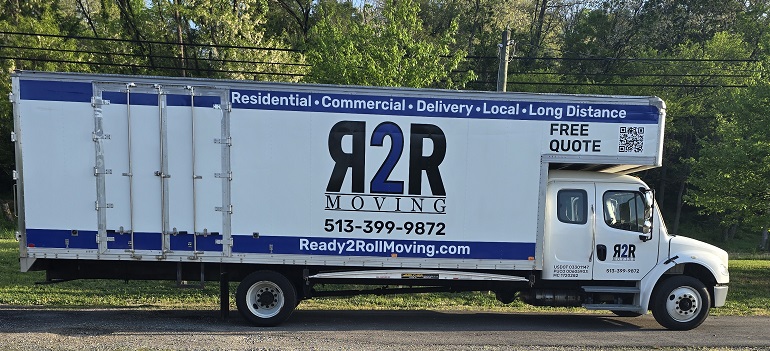
For Ohio intrastate household-goods carriers regulated by the Public Utilities Commission of Ohio, advertisements must display the carrier’s name or trade name, address, telephone number and certificate number in the format “PUCO No. ____.” Ohio rules also require household-goods vehicles to display the company name, city and state, and PUCO certificate number.
If the business name, registration details and company you expect to perform the move do not match, resolve that discrepancy before paying or signing. This verification is especially useful when choosing a moving company you have not used before.
What type of moving company do you need?
Before hiring movers, know what type of move you’re planning. Is it local, long-distance, or commercial? Understanding the move type is part of how to choose a good moving company because the rules and services can differ. For example, if you’re staying nearby, you should focus on local moving companies Cincinnati Ohio. For a move that stays within Ohio, state household-goods rules may apply. An interstate move crosses a state line and falls under federal household-goods regulations administered by FMCSA.
Commercial moves may require weekend or after-hours service to avoid business interruptions. They may also involve loading docks, elevator reservations, building access windows, office equipment, or certificates of insurance requested by property managers. Define your move early and ask whether the company regularly handles that type of relocation. Also, mention special services such as packing, storage, furniture disassembly, or unusually heavy and fragile items before the estimate is prepared.
What services do you need?
Think about what you need before you hire movers. Do you need help with packing, unpacking, or storing items? Knowing the services you need is one of the simplest tips for choosing a moving company because it lets you compare quotes on the same basis.
Maybe you have fragile furniture or oversized pieces that require extra care. In that case, ask if they offer special handling. Some movers offer full-service packages. Others only help with loading and unloading. Ask which services are included in the quoted price and which will be billed separately so you can compare companies on the same basis.
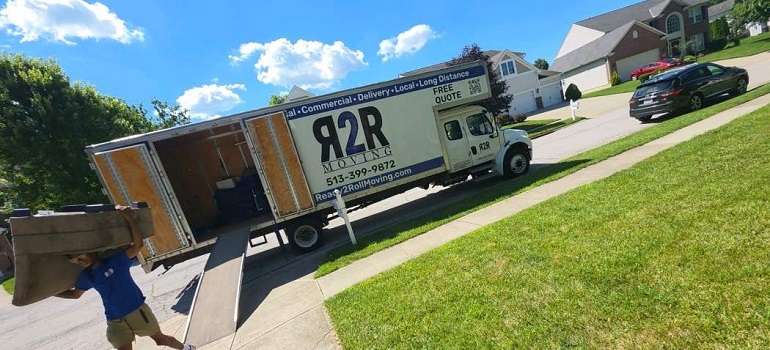
Professional Cincinnati moving services vary from one company to another. Some include supplies and insurance, while others charge extra. That’s why you should always ask what’s included. Also, check if they offer short-term or long-term storage. If you are deciding how to choose a good moving company, matching the mover’s actual services to your needs is more useful than comparing price alone. Knowing exactly what services you need and how to choose a moving company avoids surprise costs on moving day.
What should a moving estimate include?
Before you book, ask how the estimate was calculated. A detailed estimate is essential when choosing a moving company because it gives you something concrete to compare. Some movers charge by the hour. Others may use weight, distance, or other tariff-based charges depending on the type of move. Always check what’s included. Ask if packing, fuel, travel time, extra stops, stairs, long carries, storage, or additional services can increase the total.
For Ohio intrastate household-goods moves, estimates may be nonbinding, binding, or guaranteed-not-to-exceed. Ohio rules generally require a written estimate to clearly identify important information such as:
- The carrier and its certificate number.
- The estimate type and the shipment being priced.
- The services and charges included in the estimate.
- The origin and destination of the move.
- Applicable storage costs and other identified charges.
- Planned pickup and delivery dates, estimated total cost, reimbursement options, and accepted payment methods.
A guaranteed-not-to-exceed estimate establishes a maximum charge for the listed goods and services, subject to the applicable rules and any properly documented additions.
For interstate moves, understand whether you have a binding or non-binding estimate. Under federal rules, a non-binding estimate is not a guarantee of the final price; for the services and quantities shown on that estimate, a mover generally cannot require more than 110% of the estimated amount as a condition of delivery.
If you add belongings or services, the estimate may need to change. For people wondering how do I choose a good moving company, comparing estimate types and potential extra charges gives a clearer answer than focusing on the lowest initial figure. Being aware of the real costs of moving helps you plan better and avoid surprise charges. A clear quote helps you stay on budget and reduces stress on moving day.
What protection do you have if movers damage or lose something?
For interstate moves, FMCSA requires movers to offer two levels of liability: Full Value Protection and Released Value Protection. Understanding these options is part of how to choose a good moving company because the cheapest quote may not provide the level of protection you expect. Full Value Protection generally makes the mover responsible for repairing an item, replacing it with a similar item, or making a cash settlement according to the federal rules.
Released Value Protection costs nothing extra but limits the mover’s liability to $0.60 per pound per article. That means liability for a 25-pound television would be only $15 under Released Value Protection. These valuation options are not the same as ordinary insurance. Liability protection is only part of the picture, because the way movers protect your items during handling, loading, transportation, and unloading also affects the risk of damage.
Claim deadlines also matter. For an Ohio intrastate household-goods move, a carrier cannot establish a claim-filing period shorter than 60 days; Ohio rules require acknowledgement of a written claim within 15 days and a written payment, denial, or settlement offer within 30 days. For an interstate shipment, a written loss or damage claim generally must be filed with the mover within nine months of delivery. Photograph damaged items and keep your estimate, bill of lading and inventory.
What are the red flags when choosing a moving company?
The most important red flags to watch out for when hiring movers become easier to spot when you know what to look for before signing or paying. These warning signs are also useful tips for choosing a moving company when several providers initially look similar. Be cautious if you encounter any of the following:
- A demand for cash or a large deposit before the move.
- Blank spaces in documents for prices, dates, signatures, or other important information.
- Vague pricing or an estimate that does not accurately describe your belongings and requested services.
- Pressure to sign quickly before you have had time to review the estimate and terms.
- Registration details that cannot be verified, particularly when hiring an interstate mover.

Another sign of trouble is when the company’s identity cannot be verified clearly. Check whether its legal name, address and registration information match the company giving you the estimate. If you are asking how do I choose a good moving company, confirming exactly who will perform the job is a practical part of the answer. Ask whether its own crew will move your belongings or whether another carrier will perform the job. Lastly, always read reviews, but pay attention to recent patterns involving unexpected charges, missed pickups, damaged goods, or difficulty resolving claims rather than judging a company from one review alone.
How to choose a moving company for a Cincinnati move
Choosing local movers offers practical advantages when the company understands access at both addresses. Local access is one factor worth considering when choosing a moving company because parking, loading space, and building rules can affect the schedule. They understand traffic patterns, parking rules, and building restrictions in your area. Before moving day, confirm where the truck can load, whether an apartment requires an elevator reservation or loading window, and whether there will be a long carry between the entrance and truck.
Cincinnati also has specific procedures for temporary parking restrictions. In an area without another permanent parking restriction, approved temporary restriction signs generally must be posted at least 24 hours, but not more than 36 hours, in advance. Different timing applies to locations such as metered spaces, so confirm the requirements for the exact address before move day. Among the more practical tips for choosing a moving company locally is discussing these access requirements before the crew arrives.
- Moving companies in Cincinnati area are a smart choice for both residents and small businesses. When comparing Ready 2 Roll Moving with other Cincinnati options, use the same standard for every company:
- confirm credentials
- compare the written scope of work
- identify who will perform the move
- make sure access requirements are discussed before the crew arrives
What documents should you review before you sign?
A checklist keeps your move on track. That’s why you should review a moving checklist early. For an interstate move, pay particular attention to the written estimate, order for service, bill of lading and shipment inventory. FMCSA describes the bill of lading as the contract between you and the mover as well as a receipt for your belongings. Knowing how to choose a good moving company also means knowing what you are agreeing to before you sign. Review documents before signing, make sure agreed services and charges appear in writing, and keep copies until the move and any claim are fully resolved.
Choosing the right movers starts with knowing your needs and doing your research. Verify the company, compare written estimates, understand your protection, confirm the exact services being provided and review the paperwork before payment or loading begins. Those checks give you concrete information to compare instead of relying on price or promises alone.
Key takeaways on how to choose a moving company
Ready 2 Roll Moving believes a good move starts with clear expectations, reliable service, and local care. Compare more than price, confirm credentials, review written estimates, understand your protection, and make sure the company communicates openly before moving day. A well-informed choice makes your move safer and less stressful. When you’re ready to turn your plans into a move built around your timeline and needs, get Ready 2 Roll with a moving plan made for you.
Frequently asked questions and answers
For most moves, start contacting movers about 4–8 weeks in advance. Popular summer dates, weekends, and end-of-month moves can fill sooner, so earlier booking usually gives you more choice.
Aim for at least three written estimates based on the same inventory and services. Comparing equivalent quotes makes it easier to identify unusually low pricing, missing services, or additional charges.
Not by rating alone. Look for patterns in recent reviews, especially comments about punctuality, unexpected charges, damaged belongings, communication, and claims. Several detailed reviews across different platforms are more useful than one overall star score.
Ask how many movers will be assigned, whether they are employees or subcontractors, and whether the same company you booked will actually perform the move. Crew size can affect timing, while subcontracting can change who is responsible for your belongings.
Usually, but the terms depend on the mover. Ask about rescheduling deadlines, whether your deposit transfers to the new date, and whether changing to a busier day affects availability or price. Get the policy in writing before booking.
Ask the mover beforehand about storage options, additional handling, redelivery charges, and how long belongings can be held. This is especially important when closing dates, leases, or long-distance delivery schedules could leave a gap between pickup and move-in.
