
How to efficiently pack for your move
get a free quotePacking efficiently means starting early, reducing what you move, choosing the right boxes, protecting fragile belongings, and keeping essentials accessible until moving day. A clear packing order, secure loading, and careful labeling help protect your belongings while making both moving day and unpacking easier.
To pack for your move efficiently, start early, declutter first, use the right boxes, and keep daily essentials accessible until moving day. One badly packed box can damage several items at once, especially when heavy contents shift or fragile pieces are left with empty space around them. A clear packing plan protects belongings, saves time, and helps avoid last minute chaos. Ready 2 Roll Moving helps Cincinnati residents with supplies, lifting, and professional packing when extra support makes sense. For full support, our packing service in Cincinnati handles every box carefully.
When should you start packing for a move?
For most households, start packing about six weeks before moving day, beginning with belongings you rarely use. Breaking the job into stages leaves everyday rooms functional while reducing the amount left for the final week.
| Time before moving | Pack | Keep accessible |
|---|---|---|
| 6 weeks | Storage, décor, books, collectibles, off-season clothes | Daily-use rooms, cookware, work items |
| 3–4 weeks | Guest room, artwork, extra linens, hobby/garage items | Main clothes, daily kitchenware, electronics |
| 1–2 weeks | Most clothes, toys, small appliances, nonessential electronics | Medications, chargers, work gear, daily dishes |
| 1–2 days | Bedding, bathroom extras, remaining kitchen items | Toiletries, meds, charger, 1 outfit, cleaning basics |
| Moving day | Final daily-use items | IDs, documents, keys, valuables, meds, essentials bag |
In Cincinnati, also consider weather, traffic, and elevator rules. High heat or storms can slow loading and unloading. Apartment buildings may limit elevator use during busy hours. So, confirm rules with your landlord or manager early. You can also order moving boxes in Cincinnati Ohio for sturdier supplies.

What should you pack first and what should you pack last?
Pack items according to how soon you will need them. First, pack out of season clothes, decorations, books, stored items, and belongings from guest rooms, basements, attics, and other low-use areas. As moving day approaches, move on to everyday rooms. Leave daily dishes, work equipment, toiletries, bedding, chargers, medications, and a few changes of clothes until last.
If you are coordinating a full household move with Cincinnati residential movers, keep moving-day essentials separate rather than burying them in the truck. An essentials box or bag should contain medication, important documents, phone chargers, toiletries, towels, toilet paper, basic cleaning supplies, bedding, a change of clothes, snacks, and anything you will need during your first night. Pack this container last so it can be unloaded first.
How should you declutter and choose packing supplies?
Decluttering before packing household items saves money, time, and energy during the move.
- Start with big items that take space in the truck. Old sofas, damaged dressers, or unused exercise machines often waste space.
- Then, look at closets, shelves, and garage corners. Separate everything into keep, donate, sell, and recycle groups.
- Use sturdy bags or boxes for donation items and mark them clearly.
Local Cincinnati charities often accept furniture, clothes, and household goods. You can also post items in neighborhood groups online. A simple yard sale can cover part of moving costs.
Fewer items mean fewer boxes, less packing material, and lower labor needs. Many families pair decluttering efforts with Cincinnati moving services for smoother move days.
A packing station keeps supplies in one place and saves time. Choose a clear surface like a table or sturdy counter. Keep boxes, packing tape, markers, labels, and scissors nearby. Add bubble wrap, packing paper, and small sealable bags for hardware. When each box is ready, move it to a separate staging area. Finished boxes stay out of daily paths and reduce tripping risks. Several people ask local moving companies in Cincinnati Ohio for advice about packing stations.
Match the box to the contents. Use small, sturdy boxes for dense items such as books and dishes; larger boxes for lightweight bedding and pillows; wardrobe boxes for hanging clothes; and dish packs or dividers for glasses and kitchenware. Avoid worn, damp, or previously damaged boxes from old moves. Weak materials can break and expose your belongings to damage.
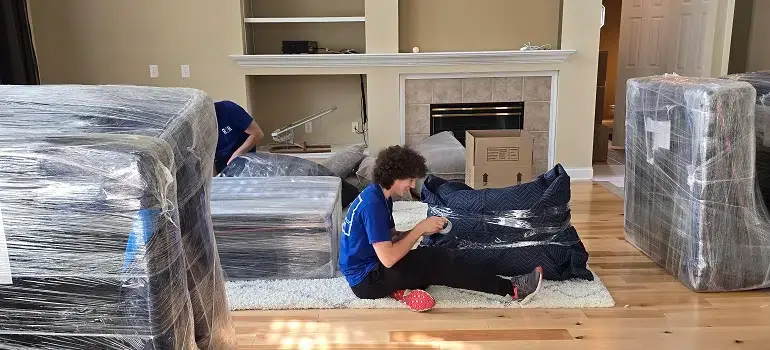
Use wardrobe boxes for hanging clothes that you want wrinkle free. Consider dish packs or glass dividers for kitchen items. Quality supplies cost more upfront but protect what matters most. You can also buy supplies directly from Cincinnati movers during planning calls.
How do you pack fragile items without breaking them?
Fragile items demand special attention. Wrap each delicate item individually in bubble wrap or packing paper and cushion the bottom of the box before adding breakables. Fill empty spaces so the contents cannot shift when the closed box is gently moved.
Plates travel safest when packed vertically like records, not stacked flat. When you pack glassware for moving, glasses and mugs need padding inside and around each piece. Use small boxes for very fragile items, not oversized cartons, and avoid placing heavy cartons on top of them. Clearly mark fragile boxes on several sides and write which room they belong to in your new home. These steps make the contents easier to identify and reduce unnecessary handling.
How should you prepare furniture, electronics, and appliances?
To reduce damage, disassemble large furniture pieces before loading the truck. Take apart bed frames, tables, and shelving units when possible. Keep all hardware organized in small labeled bags or containers. Tape each bag directly to the matching furniture piece. Wrap furniture legs and edges with moving blankets or padding.

When lifting furniture, focus on safety first, not speed. Keep the load close to your body, get help with bulky or awkward pieces, and use furniture dollies or sliders when available. For large pieces that are difficult to disassemble or maneuver safely, experienced furniture movers in Cincinnati can handle the lifting and positioning. Clear pathways before lifting. Move your feet instead of twisting your torso while carrying weight.
For electronics, take photos of cable connections before unplugging anything. Use original boxes for televisions or monitors when available; otherwise, choose fitted boxes with thick screen protection. Before moving a refrigerator, remove food, disconnect the power, and secure loose parts. Protect the exterior with a moving blanket. Manufacturer instructions can vary by appliance, so follow the requirements for your specific model.
Mattresses, sofas, and upholstered furniture are very vulnerable during transport. Shield these items from dirt, dust, and moisture with covers. Use mattress bags and fitted furniture covers, and protect delicate fabrics and corners with blankets or suitable wrap.
What should you not pack in a moving truck?
Knowing what not to pack when moving to Cincinnati is especially important when you are sorting garage, utility, and storage areas. Keep hazardous materials out of ordinary household moving boxes. Gasoline, propane cylinders, fireworks, paint thinner, motor oil, and similar flammable or hazardous products require special handling. The EPA also identifies paints, solvents, pesticides, automobile batteries, household cleaners, and compressed gas tanks as common household hazardous waste. Use an approved local household hazardous waste program when disposal is necessary rather than pouring these products down drains, onto the ground, or into storm sewers.
Keep medications, identification, important documents, keys, cash, jewelry, and irreplaceable valuables with you rather than loading them deep inside the truck. Before moving day, ask Ready 2 Roll Moving which items cannot be transported so you can make separate arrangements before the crew arrives.
How should you load a moving truck safely?
When loading the truck, think about stability as well as space. Load the heaviest furniture and appliances first, placing heavy items low and toward the front of the cargo area. Keep weight balanced from side to side, then build upward with medium-weight boxes and place lighter belongings on top.
- Pack items closely so large gaps do not allow the load to shift.
- Use straps or ropes and proper tie-down points to secure sections of the load.
- Keep fragile cartons upright and away from heavy boxes.
- Do not exceed the vehicle’s stated maximum loaded weight.
- Always check that the cargo door closes and latches securely before driving.
Balanced weight and secured cargo reduce movement during turns and braking. Keep fragile boxes above heavier cartons and check each section before closing the truck.
How should you label, inventory, and protect your belongings?
Clear labels and simple lists make unpacking much faster. Write the room and contents on at least two sides of each box. Use bright markers or color stickers for quick sorting on moving day. Mark fragile boxes and “open first” boxes very clearly. Keep an inventory list with box numbers and brief descriptions. This list helps you track everything from Cincinnati to your new address.

For high value or delicate items, consider specialty moving services. Professionals have tools and training for artwork, antiques, or heavy safes. For interstate moves, ask about valuation protection before signing the bill of lading. Federal rules require interstate movers to offer Full Value Protection and Released Value Protection; Released Value provides only $0.60 per pound per article. FMCSA also notes that damage claims can be harder to establish for boxes packed by the customer. Photograph valuable items before the move, inspect boxes and furniture after delivery, and report damage promptly.
When should you hire professional packers?
Professional packing can be especially useful when you have a short deadline, a large household, or fragile belongings, bulky furniture, or more lifting than you can safely manage. Good packing habits still matter: plan early, sort belongings, choose sturdy supplies, and keep essentials separate. Local help from Ready 2 Roll Moving can cover packing materials, packing, heavy lifting, and the move itself, depending on the support you need. Contact us today to learn more about our comprehensive moving services and let Ready 2 Roll Moving handle the level of support your move requires.
Frequently asked questions and answers
The number depends on home size and how much you own. A one-bedroom home may require roughly 25–35 boxes, while larger homes can need significantly more. Decluttering first and using specialty boxes for dishes, wardrobes, and TVs can reduce wasted space.
Lightweight clothes can sometimes remain in dresser drawers, but heavy contents should be removed. The dresser still needs to be light enough to carry safely, and drawers must be secured. Ask your moving crew before moving a loaded dresser because furniture construction and weight vary.
Tighten lids, keep bottles upright, and place them in sealable bags or another leak-resistant layer before boxing them. Separate liquids from clothing, electronics, and paper goods. Hazardous liquids such as gasoline, solvents, and some chemicals require different handling and should not go in ordinary moving boxes.
Remove the bulb and lampshade first. Wrap the lamp base separately, protect the cord and plug, and place the base upright in a padded box. Pack delicate lampshades separately so heavier objects cannot crush or deform them.
Policies vary by mover and route, so confirm before moving day. Plants can also be sensitive to temperature changes and long periods without light or ventilation. Interstate moves may involve agricultural restrictions, making it important to check the destination state's plant rules beforehand.
Keep valuable or delicate shoes in their original boxes when possible. Otherwise, stuff them lightly with packing paper to help retain their shape and place pairs together in a medium box. Avoid placing heavy household items on top of shoes during transport.
